Reflection#1
INTERCULTURAL COMMUNICATION
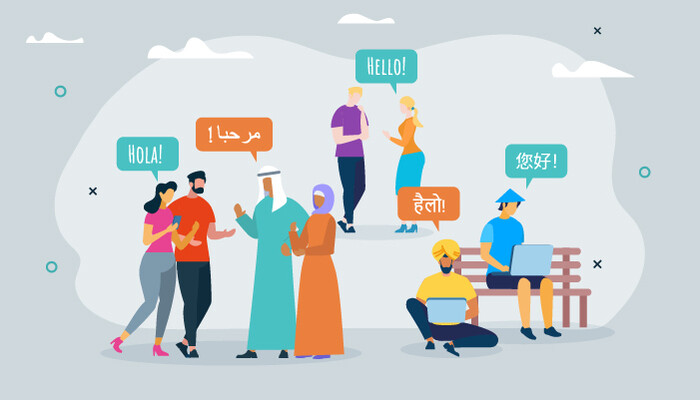
Intercultural communication is the topic I most relate to because, as an immigrant, sharing my culture and traditions with people from all different backgrounds and cultures touches my heart and my thoughts deeply. Living in a city like Miami, I meet people from other countries and experience many different cultures, especially Hispanic culture. As I get to interact with people from various backgrounds, I have had cultural shocks, even within the Hispanic culture. As a Hispanic myself, it still surprises me how Hispanic countries culturally differ from one another, even though we speak the same language and share similarities.
I enjoyed how group number 2 explained and portrayed intercultural communication by illustrating how cultures differ even within the same country and state. The pictures and videos provided by the group members helped me understand how race, gender, ethnicity, and religion impact cultures worldwide and their consequences. I also identify with how the group members described the different cultures and religions, especially the ones we usually see in Miami, such as the Hispanic culture.
I am lucky to live in such a diverse place and interact and exchange gestures, expressions, behavior, and experiences with people with different viewpoints and perceptions. Each interaction and cultural encounter with people from various backgrounds has taught me cultural aspects unique to their communities, such as their beliefs, values, principles, traditions, behaviors, etc.
Intercultural exchanges and communication represent opportunities for growth and learning for me. When I communicate with people from different cultural backgrounds, I see things from other perspectives and try to embrace their culture by showing appreciation, empathy, interest, understanding, and respect. Then, I realized that we share more things in common than one might think.
Thanks to this presentation, I have learned much more about intercultural exchanges and communication and how they reflect our identity when we interact. In today's interconnected world, intercultural communication is vital since it serves as a bridge that connects communities and nations worldwide and plays a significant role in the coexistence and harmony of our society.

COMMUNICATING IN GROUPS
Group communication is a powerful tool for resolving conflicts and disputes. As a member of one of the group's presentations, I had the privilege of experiencing this firsthand. We worked on a project where each member was committed to the same purpose. We discussed openly, exchanged ideas, and collaborated on tasks to achieve our shared goals.
One of the aspects that I most noticed while working on this project was the different viewpoints and perspectives; it is what I call the diversity of perspectives that members bring to the table. Each member shares unique and creative ideas and experiences, leading to innovations. This project also taught me how to be open-minded and willing to listen to viewpoints different from mine.
As I went through this process, I realized that group communication improves with collaboration. When group members work together to achieve a common goal, they can achieve outcomes that surpass what one can accomplish alone. Working with my teammates required cooperation and collaboration when assigning roles and responsibilities and an environment of mutual support where ideas were shared and respected. Recognizing and evaluating the contributions of all members is crucial for a supportive environment where everyone should rely on each other skills and knowledge.
While group communication is vital for teamwork, group members sometimes have to learn to overcome challenges and obstacles within the group. In my experience working with this group, I want to point out how challenging coordination and managing conflicts can be. Ensuring everyone does their assigned tasks and organizes every detail requires leadership. On the other hand, when conflicts are handled with care groups, they develop stronger relations among members. Working with this group has positively changed me by improving my communication skills and developing trust and respect for others' ideas.

GROUP LEADERSHIP AND PROBLEM-SOLVING
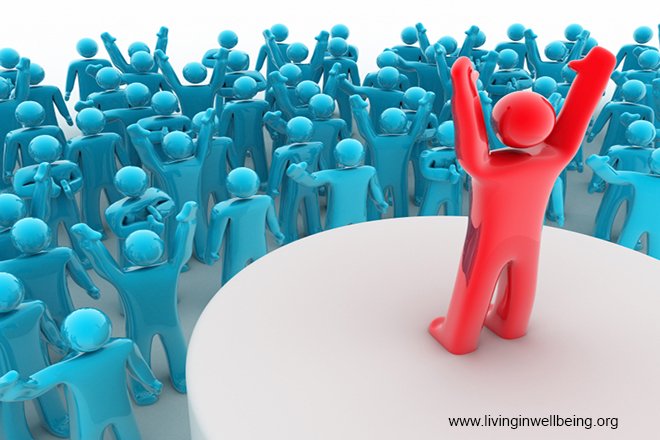
My experience with group leadership is more challenging than it looks. It involves making decisions, assigning roles and responsibilities, motivating the group members, and fostering support and collaboration.
I liked how group number 3 kept describing how vital effective communication is in leadership and how it is also the key to team success. As I said before, my experience as a group leader on previous projects has been challenging since I have to make sure that everyone in the group feels free to share ideas openly, which means listening to the perspectives of others and showing mutual respect.
The hardest challenge when leading a group is assigning responsibilities. As a leader, I know I can't do everything alone. I must trust my team members to do their tasks and duties, hold each other accountable for their commitments and actions, and rely on their skills and knowledge. If one of the members does not perform well, or if only one member tries to do all the work, the group will most likely fail in its attempt to succeed. As a leader, I have to do all I can to prevent that from happening for the members' well-being and my own.
From this group project, I learned many leadership skills, including empathy. Understanding group members' perspectives, motivations, viewpoints, and ideas is vital for building trust and respect and resolving conflicts. Conflicts are inevitable and can happen in any group, but how we can solve them says a lot about our team communication skills as leaders; that is why creating a safe space for open communication is essential, where every member can express their concerns and perspectives freely, listening plays a significant role when solving conflicts. It is also important to emphasize empathy as one of the principal values in solving conflicts. As a leader, I have learned that listening to my members strengthens the relationship within the group.
Leadership is a challenge that requires strong communication skills, responsibility, collaboration, and empathy. By embracing these values and principles, and thanks to this presentation, I am confident I will grow personally and be a better leader in future projects.


Really excellent reflection. I loved it!
ReplyDelete